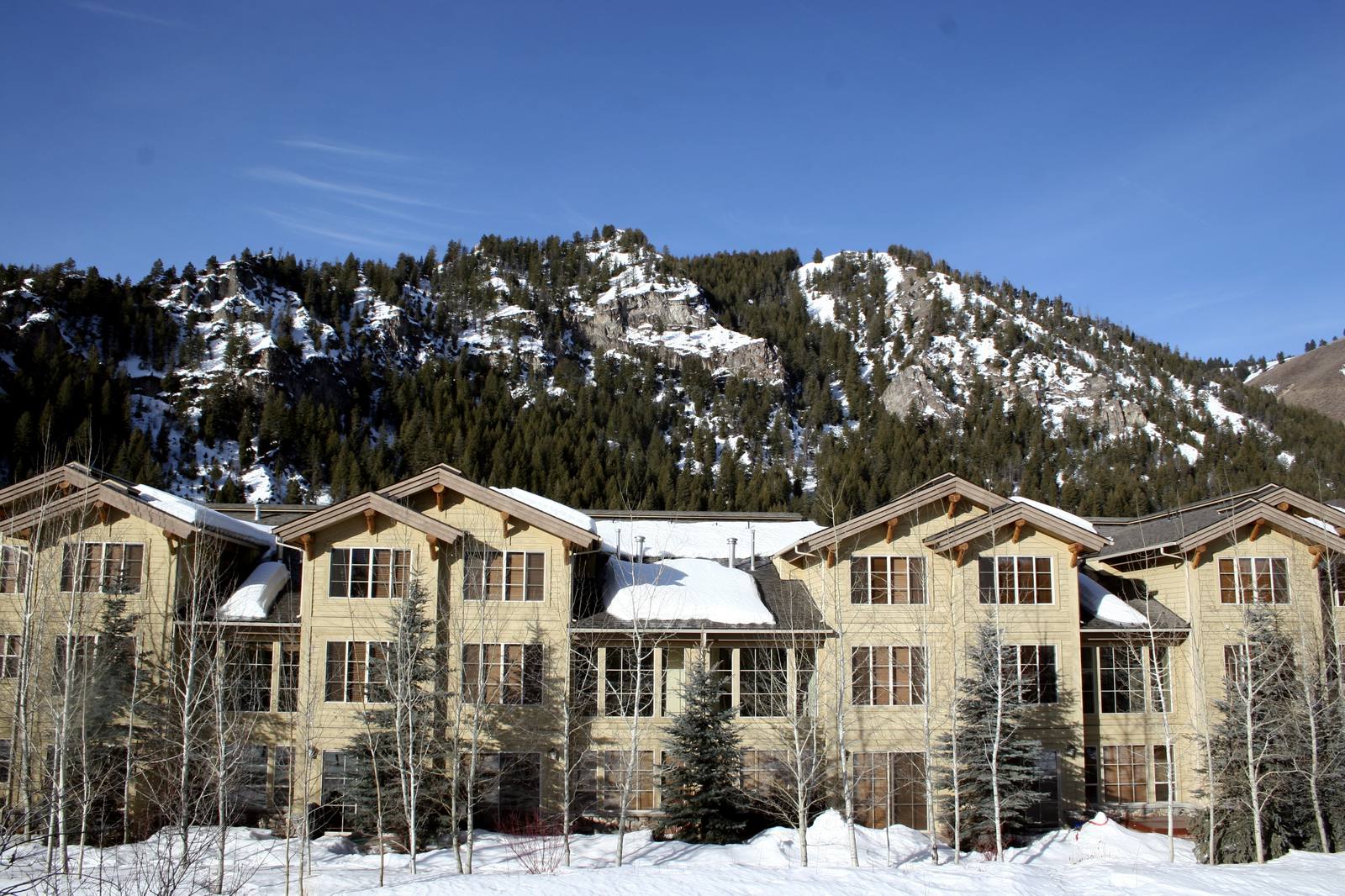
Eighty-one apartments south of Ketchum. Seventeen of them deed-restricted. Ten more locked up for locals for 65 years, at Ketchum's expense. Read the River Bend paperwork and you can see the valley thinking clearly, for once, about the math of staying.
The numbers deserve respect. A unanimous county planning commission. A city willing to spend $125,000 a door from its housing fund to keep ten families local for longer than most of us will live. These are serious tools, seriously applied, and the people who wielded them, from the housing trust to the council chambers, should take the win.

But notice what the tools concede. Nobody writes a 65-year restriction on housing the market would provide on its own. The restriction is the diagnosis: without intervention, these apartments do not stay local, because the valley's economy prices out the people who keep it running.
The question River Bend cannot answer is the one the valley keeps postponing. Eighty-one units is a project; the need is a pipeline. Every season the valley adds jobs faster than beds, and every winter another cohort of workers learns the commute from farther down the valley, or farther still.

A valley that can engineer a World Cup finals and a DarkSky certification can engineer a housing program with the same ambition. River Bend should be the proof of concept, not the victory lap.